
Warp Discovers That Teaching AI Takes Actual Work
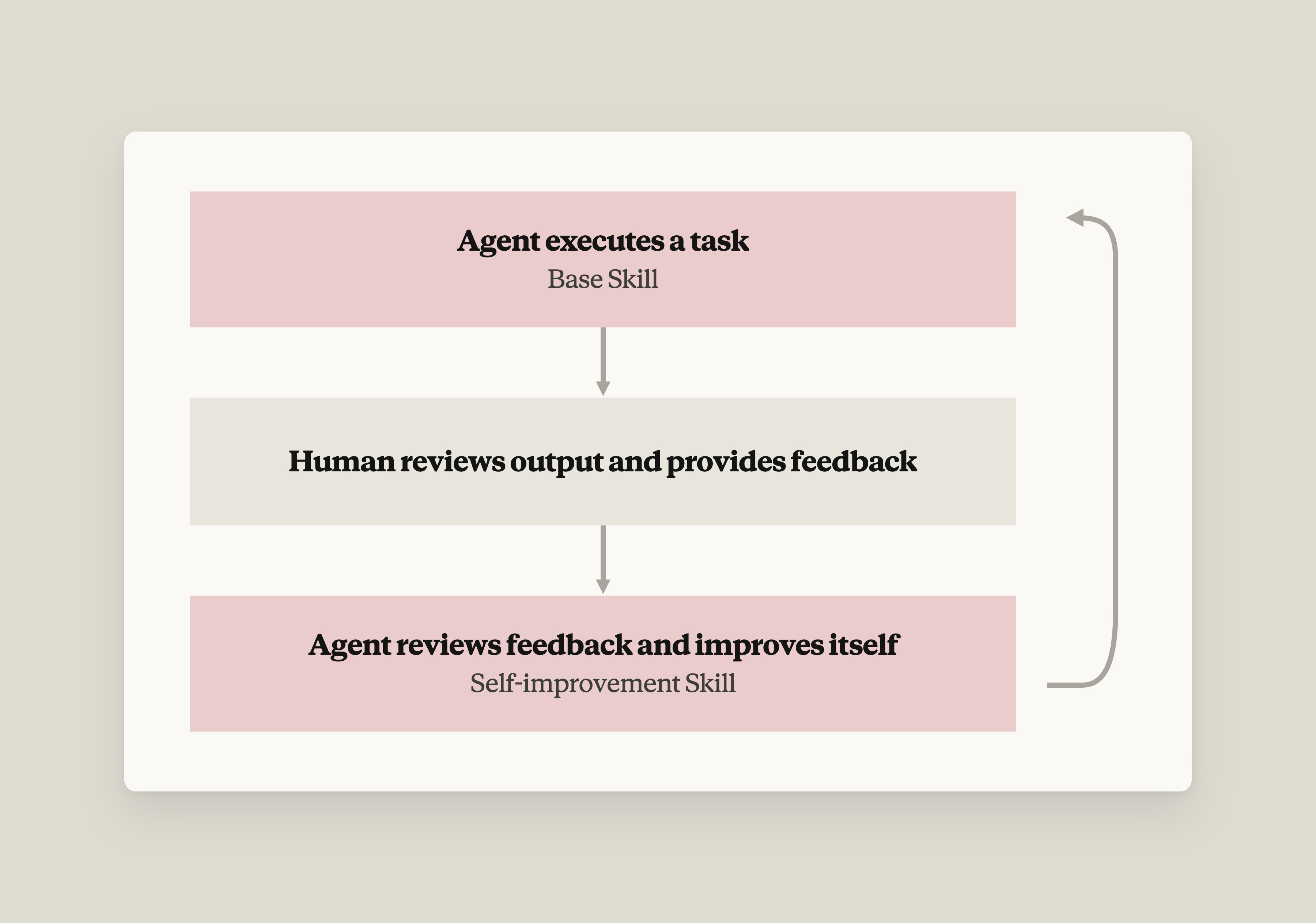
Terminal developer Warp has tackled the eternal annoyance of unreliable AI output by engineering a self-improving loop for its agents running on the Claude Platform. Instead of letting valuable user feedback vanish when a chat session ends, the company uses an observer agent to harvest human corrections and automatically patch its underlying agent skills over time.
The So What
- By separating functional domain knowledge into base skills and using a scheduled improver agent to process human feedback, Warp treats agent upgrades like standard code changes that require a human sign-off via pull requests.
- The architecture proves that treating agent memory as stable, file-based procedural instructions rather than auto-updating internal state prevents automated systems from slowly degrading into unpredictable messiness.
- While the setup relies heavily on detailed human feedback rather than lazy binary thumbs-up ratings, it demonstrates a pragmatic blueprint for making autonomous development tools genuinely useful across an entire organisation.
Read the original: How Warp builds self-improving agents on Claude