
Asana Turns Claude Into Your New Micromanaged Coworker
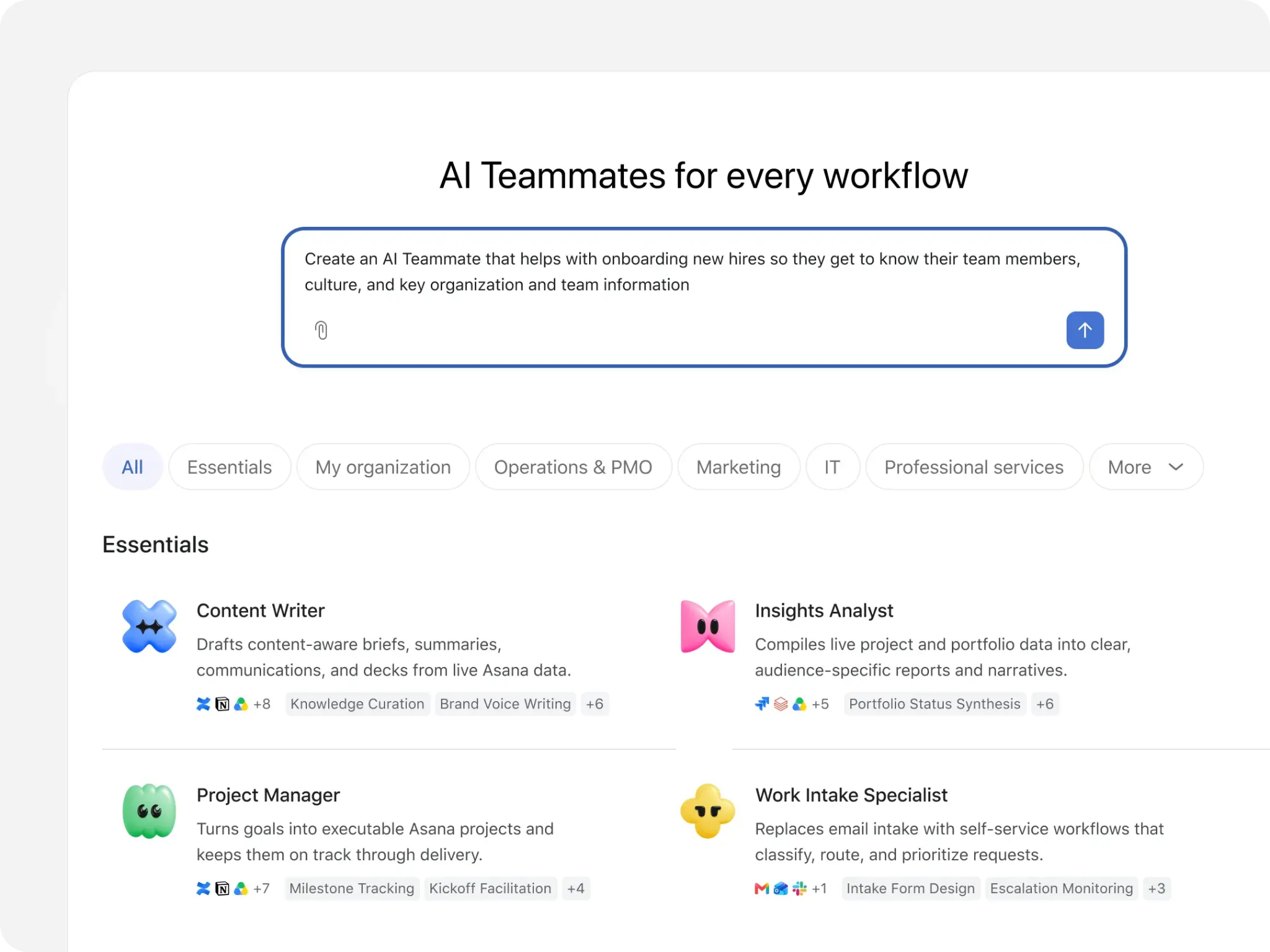
Asana is attempting to civilise workplace artificial intelligence by folding Claude-powered agents directly into its proprietary Work Graph model. Rather than operating as isolated chat interfaces, these AI teammates are assigned specific job titles—such as content writer or insights analyst—complete with defined access credentials, persistent memory, and transparent activity feeds that sit alongside human tasks.
- Context unification: Employees feed unstructured data from Slack, Zoom, and Google Drive into Claude to generate structured tasks that both humans and AI agents can execute together.
- Permission walls: While anyone can prompt an agent on a task, only designated administrators and editors can commit permanent feedback to the agent's shared memory.
- Visible accountability: Every action an agent takes is logged openly in shared project spaces, ensuring human reviewers can audit steps, query outputs, and override instructions.
Why should I care? Could be big
It is a sensible governance framework for multi-agent workflows, but most teams are still struggling just to keep their basic documentation updated.
Read the original: Agents you can coach: how Asana builds human-agent teams with Claude